Biological Services

SHN BIOLOGISTS HAVE EXCELLENT REPUTATIONS WITH STATE AND FEDERAL REGULATORY AGENCY PERSONNEL.

SHN biologists have the expertise and field experience to develop mitigation plans and minimize project impacts to the affected species.

SHN biologists and botanists assess how a project may affect a species or its habitat in both space and time, by evaluating the intersection of project phases and species life history.  Proactive biological studies conducted during the planning stages can reduce or eliminate impacts on listed species, resulting in significant savings in time and money because permitting is faster and the risks of construction delays are minimized.     

Sometimes, project impacts are unavoidable and mitigation and monitoring are required.  SHN biologists have the expertise and field experience to develop mitigation plans and minimize project impacts to the affected species.  We design and write sampling and mitigation monitoring plans that definitively characterize impacts and mitigation success under each project’s unique conditions.  SHN biologists have excellent reputations and working relationships with state and federal regulatory agency personnel, which adds value to our biologists’ scientific services. 

Providing High-Speed Internet to Remote Tribal Communities

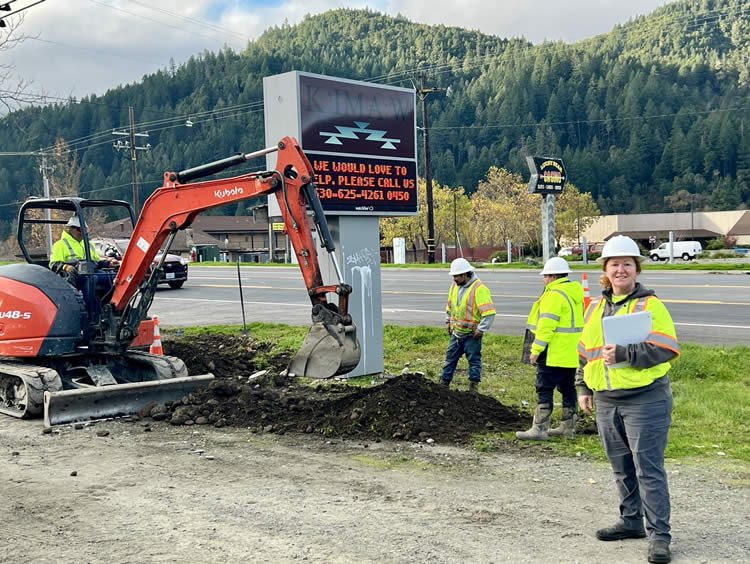
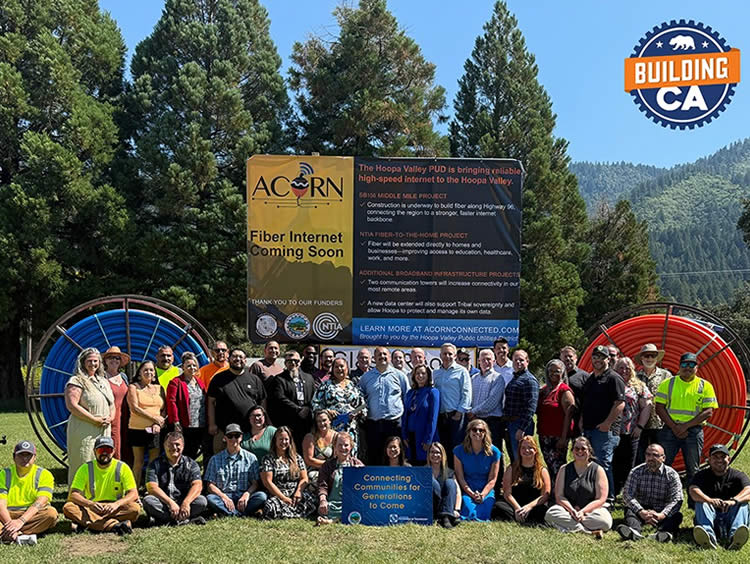
The Hoopa Valley Public Utilities District (HVPUD) contracted with SHN biologists and planners to provide services for the extension of high-speed internet along 22.7 miles of roadway, with funding through the California Department of Technology.  Known as the SB156 Middle Mile Project, this collaboration marks the first joint build agreement between a Tribe and the State of California. The SB156 Middle Mile Project will extend a high-capacity fiber optic network from Willow Creek through the Hoopa Valley Reservation to its northern boundary near Weitchpec. This new infrastructure will provide reliable, high-speed internet to homes, businesses, and public facilities, and will create long-term benefits like improved access to education, healthcare, employment, and emergency services for members of the Hoopa Tribe as well as other communities. It also aligns with California’s broader goal of expanding equitable high-speed internet in underserved, rural communities.

SHN prepared numerous reports and coordinated approvals with the many agencies involved in this project, which included Caltrans, U.S. Forest Service, U.S. Fish & Wildlife Service, California Department of Technology, and the California Department of Fish and Wildlife. SHN provided technical information for the regular coordination meetings with the HVPUD, stakeholders, and construction personnel; these meetings allowed this project to stay on schedule and within budget, obtaining construction approvals and complying with the State’s ambitious timeline despite the numerous changes along the way. To facilitate Project approvals and implementation, SHN biologists conducted an Aquatic Resources Delineation (ARD) and a Biological Resources Assessment (BRA), and prepared a Natural Environment Study (NES) for Caltrans as the Lead Agency.

SHN staff mapped the biological resources on 275 acres along 22.7 miles of state highway. Based on our biological work, we created eighty-two (82) report figures for the ARD and BRA documents. Engineers from another firm designed the project to avoid impacts to wetlands, special-status plants, and other biological resources that SHN mapped. As a result, except for the Caltrans encroachment permit, no permits from regulatory agencies were required for project implementation.

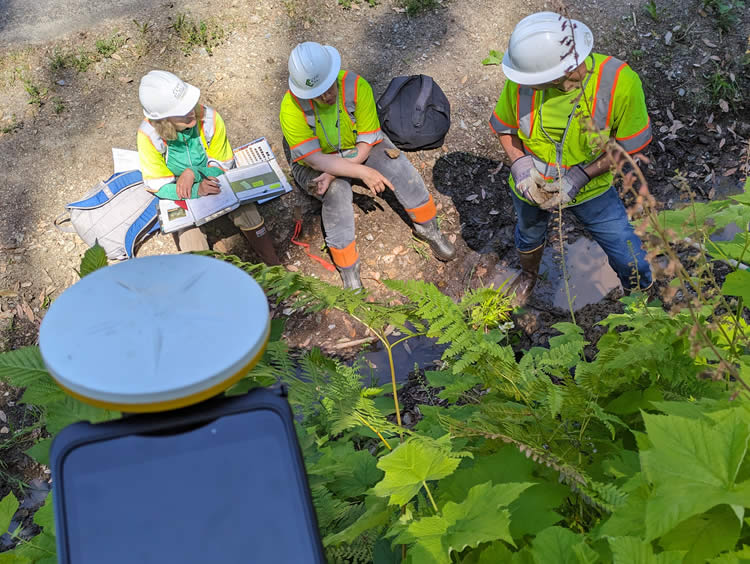
SHN’s successful collaboration with the Tribe and other contractors led to a contract addendum that added biological monitoring of the construction project which began in July 2025 and will continue into 2026. Construction monitoring involves surveying for special-status wildlife, following measures from the NES, and demarcating the biological resources mapped during the 2024 field efforts so that contractors appropriately avoid impacting them during construction.

Project Details
  • Location: Highway 96, from Willow Creek to Weitchpec, California
  • Owner/Client: Hoopa Valley Public Utilities District (HVPUD)
  • Partners: CalTrans
  • Project Timeline: Spring 2024 to Summer 2026

Fisheries, Wildlife, and Botanical Surveys Supporting Various Work Orders

In 2018 and 2022, the Mendocino County Department of Transportation (MCDOT) awarded SHN the Quadrennial Environmental Service and Biological Investigation contract. To date, the County has issued 28 Work Orders requesting fisheries and wildlife biological investigations and botanical surveys. In consultation with County staff, SHN’s biologists, botanists, and soil scientists identified the potential presence of special status biological and botanical species that could impact the Work Order projects.

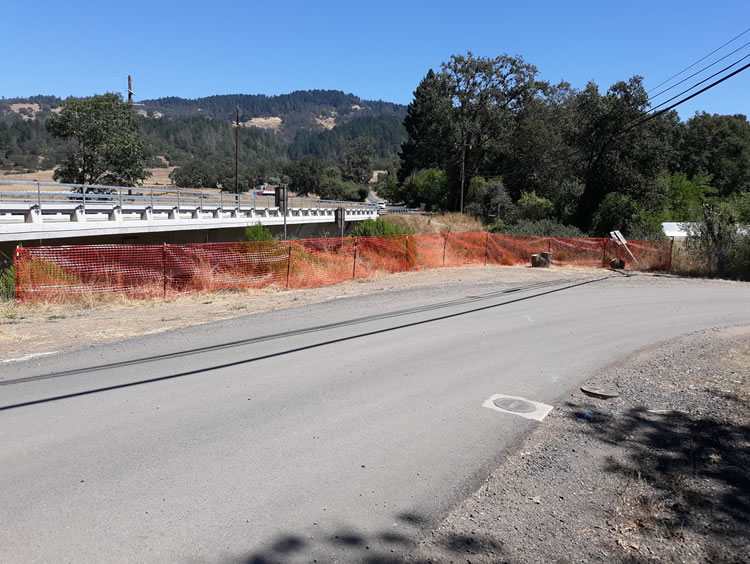
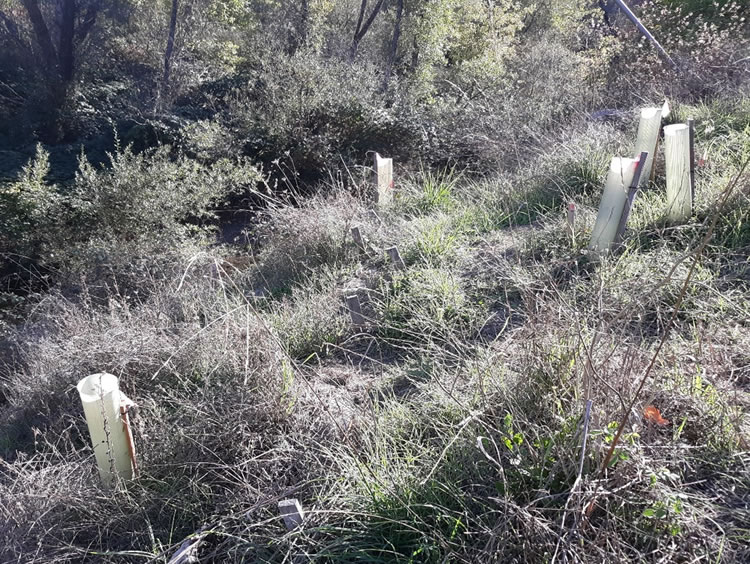
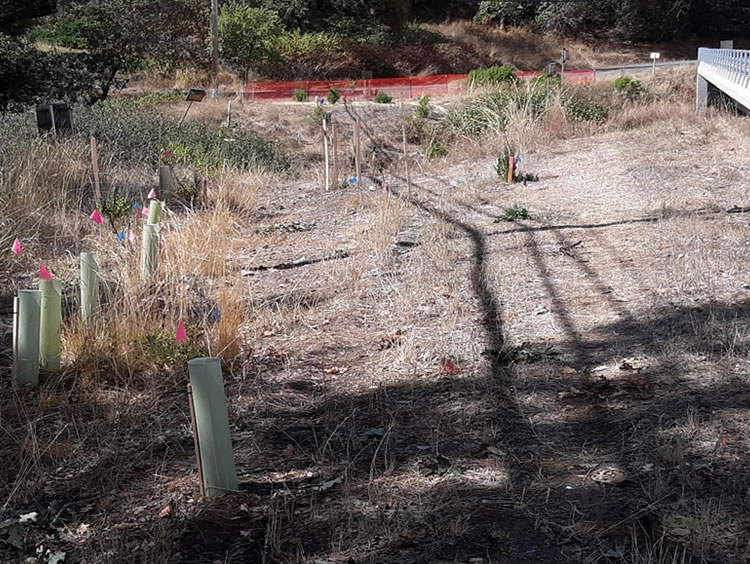
An example of a Work Order project is the Davis Creek Bridge mitigation monitoring and implementation.  As part of the 2022 on-call quadrennial contract, SHN provided supplemental watering and mitigation vegetation care.  We established a dripline watering system on the northwest, southwest, and southeast banks of the bridge.  Once SHN began supplemental watering, much of the vegetation started to rebound and thrive.  We also located nearly 40 volunteer native species (valley oak (Quercus lobata), Oregon Ash (Fraxinus latifolia), California Buckeye (Aesculus californica), Dogwood (Cornus sp.) and Alder (Alnus sp.)) that are spread out across the project site and can be counted toward project success, and we incorporated them into the current watering regime. To protect the mitigation plantings, SHN installed exclusionary fencing along the top of the southwest bank in an area of public exposure.  Finally, we installed vegetation fencing around species that are being browsed upon.  

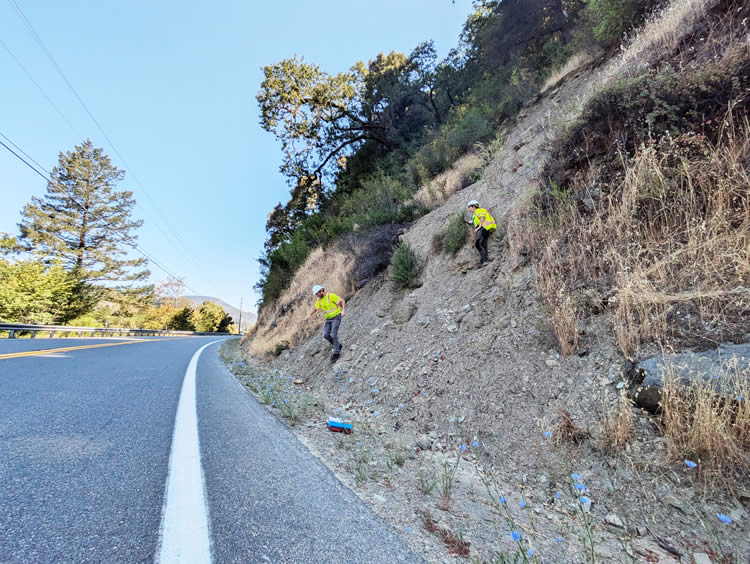
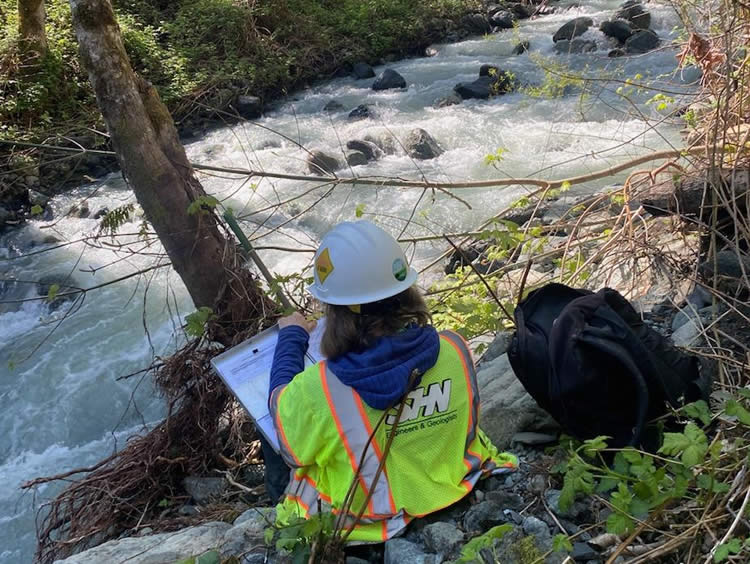
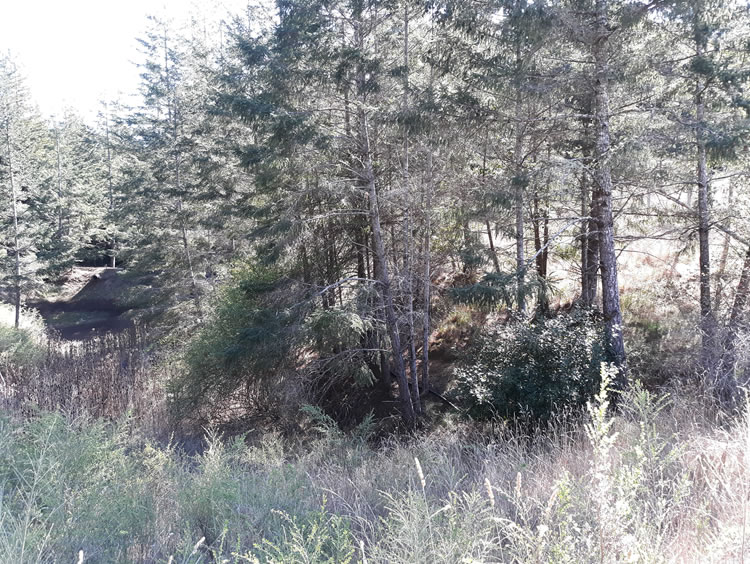
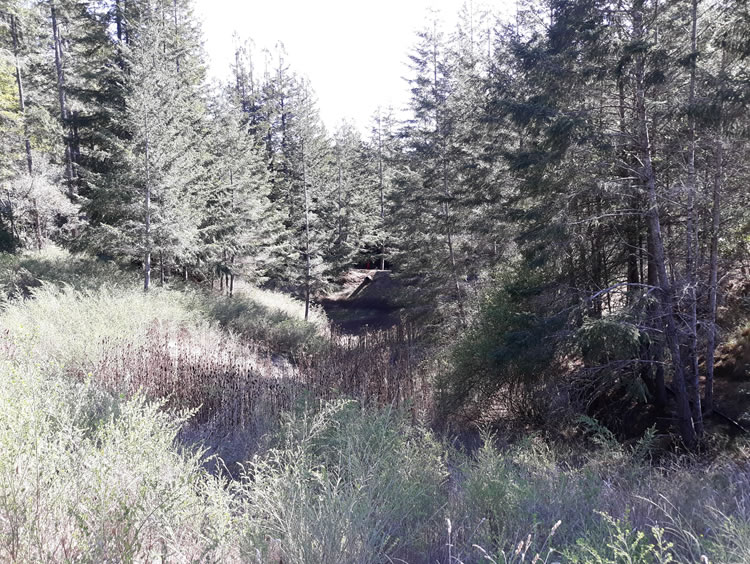
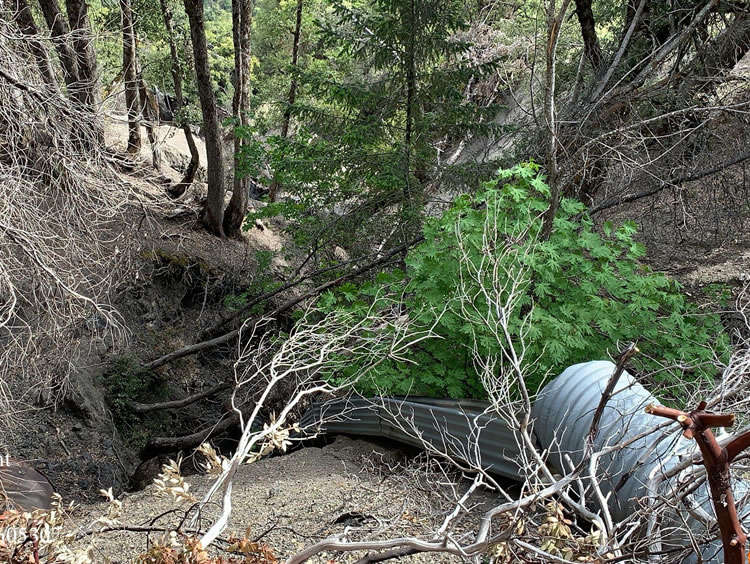
At the numerous sites surveyed, SHN’s wildlife biologists have located potential habitat and/or evidence of the presence of wildlife special status species such as the Point Arena Mountain Beaver, California Red Legged Frog, endangered bats and special status fish species. For botanical special status species investigations, SHN’s botanists have performed field investigations to identify their presence/absence, and collect and analyzed soil samples that would indicate the existence of jurisdictional wetlands and colonies of plants that would impact the Work Order projects. After completion of field and laboratory analyses, findings and recommendations are reported to the County for inclusion in the project environmental documentation.

Project Details
  • Location: throughout Mendocino County, California
  • Owner/Client: Mendocino County Department of Transportation
  • Partners: Samara Restoration
  • Project Timeline: 2018 to 2026

We specialize in civil, environmental, and geotechnical engineering; geosciences; planning and permitting; surveying and drones; environmental and biological sciences; and materials testing and special inspections.